
诈欺游戏Shanghai sci-tech museum welcomes 100 millionth visitor amid tech travel boom_我的网站
一 | 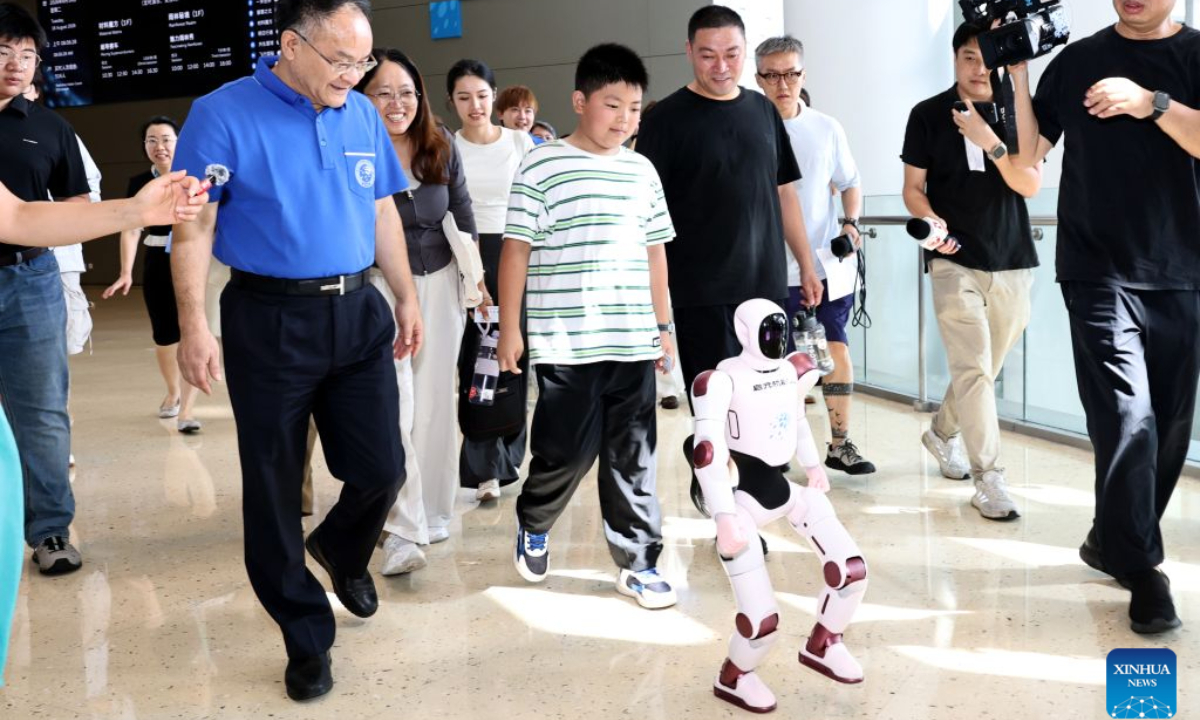 Zhang Zhiheng, a boy from east China's Shandong Province, was the landmark visitor. He visited the museum with his parents on the second day of his first trip to Shanghai. Since opening its doors to the public in late 2001, the museum has grown into one of China's most popular science and education destinations. Through a wide range of science and technology activities and programs, it remains dedicated to boosting public scientific literacy and sparking curiosity in visitors of all ages. After being closed for over two years for upgrading, the museum reopened early this year. It now also includes two branches: the Shanghai Natural History Museum and the Shanghai Astronomy Museum. Back in 2001, the proportion of Chinese citizens with scientific literacy was only 1.4 percent, and the figure had risen to 16.74 percent by 2025, according to official data. As public interest in science has grown, visits to science and technology museums have increasingly become part of everyday life. For many families, museums have become a popular destination during holidays and weekends, offering children opportunities to expand their knowledge and broaden their horizons. "The biggest change I feel during my museum visits is that science and technology keep advancing," said Zheng Qina, a post‑90s visitor from Shanghai. She was nine years old when she visited the museum in 2001. Today, her five‑year‑old son is also a regular visitor. The trend is also extending to international travelers. With China's inbound tourism gaining momentum following eased visa policies, science museums have emerged as an increasingly popular destination for overseas visitors seeking a closer look at the country's technological development. From January to July this year, the Shanghai Science and Technology Museum and its two branches received nearly 200,000 foreign visitors, accounting for nearly 5 percent of the total visitor numbers. Francisco and his parents, a family from Italy, were among the visitors on Tuesday. After touring an exhibition on green energy, Francisco said he was deeply impressed by displays showcasing China's nuclear and hydrogen energy technologies. In recent years, China has made major advances in fields ranging from artificial intelligence and humanoid robots to quantum science, green energy, space technology, life sciences and physical sciences. Science and technology museums offer visitors an opportunity to explore some of these developments through exhibitions and interactive experiences. For Ni Minjing, director of the Shanghai Science and Technology Museum, a notable change among visitors is that they have shifted from passive recipients of knowledge to more active explorers of science. "Teenagers in particular now have abundant channels to acquire knowledge. The role of science and technology museums can no longer be merely about resolving doubts," Ni said. "Instead, through diverse forms of science popularization, museums should inspire visitors, especially young people, to think and create." "We will continue to innovate the way we popularize science, enrich science-related content, promote the spirit of scientists and foster a culture of innovation, so as to spark young people's curiosity, imagination and desire to explore," Ni added. 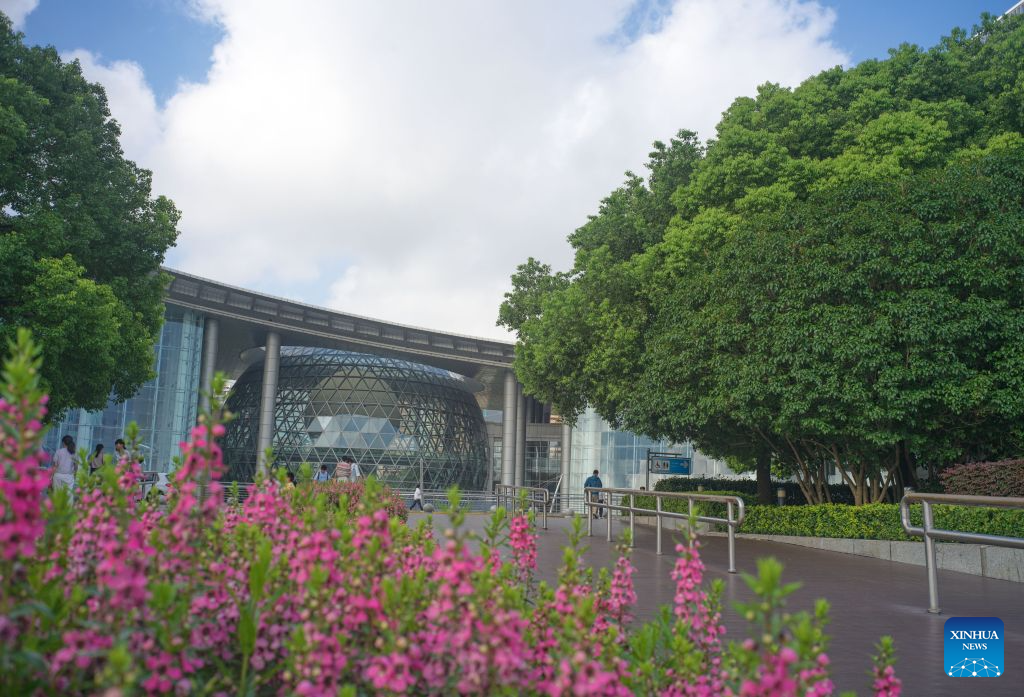 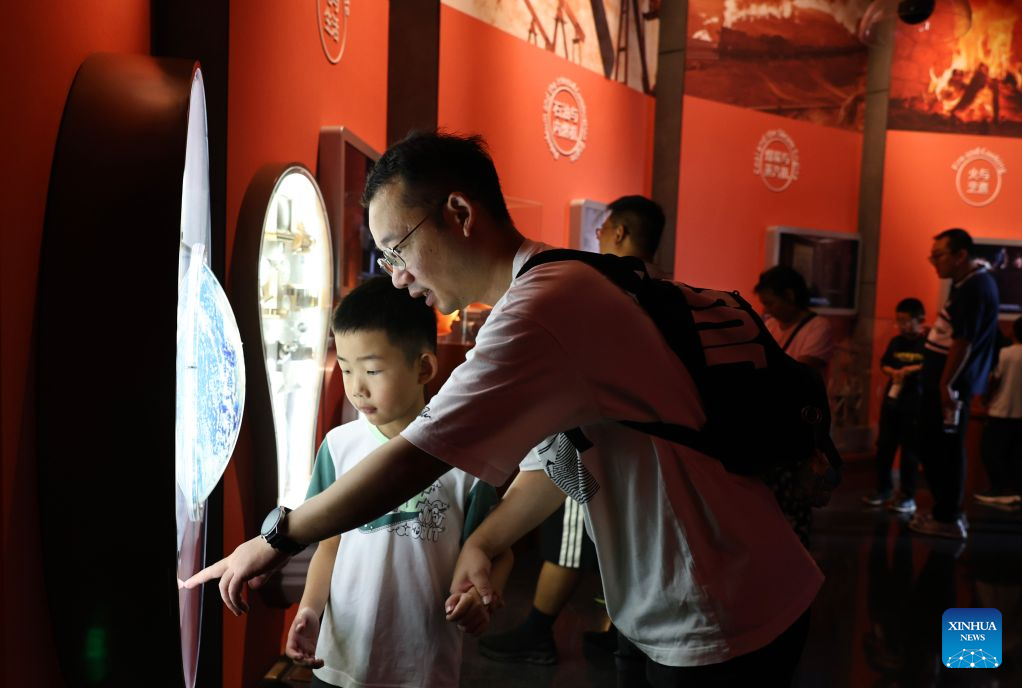 。
二 | AI摘要 福建终止防台风应急响应,维持防汛三级响应。因台风“简拉维”减弱,省气象台解除台风预警。鉴于台风“沙德尔”将带来影响,各地需防范次生灾害,有序组织海上人员防风避险。 福建日报·新福建客户端8月24日讯(记者 何祖谋)记者24日从省防指获悉,台风“简拉维”已减弱为热带低压级,福建省气象台24日17时解除“台风预警Ⅳ级”,继续发布“暴雨预警Ⅱ级”,根据《福建省防汛抗旱防台风应急预案》,省防指决定于24日17时终止防台风应急响应,并维持防汛三级应急响应。 省防指要求,各地各有关部门要密切关注后续风雨影响,动态调整应急响应,加强会商研判、指挥调度,防范强降水可能引发的山洪和城乡积涝、塌方、滑坡等次生灾害,坚决果断转移危险区域人员。鉴于第18号台风“沙德尔”将于25日进入我省热带气旋警戒区,并给我省带来风雨影响,沿海各地要按照海洋与渔业、海事部门既定部署要求,有序组织渔船、养殖渔排人员、过往船舶等做好防风避险工作。 Current article:http://andb3y.shuaiseduanguanzhui.bond/list_wcbpdqb/zmtmmmf.html Published on:00:00:00 |

